Jazz Music: What It Is, How It Sounds, and Why It Matters
In this article

Jazz music is one of the most creative and flexible music styles in history. Born in the United States and now played worldwide, jazz blends African rhythms, European harmony, and a strong sense of personal expression. This guide explains what jazz music is, how it works, and how you can start listening with more understanding and joy.
What Is Jazz Music in Simple Terms?
Jazz music is a style built on improvisation, swing rhythm, and strong personal voice. Musicians use a song as a base, then reshape it in real time through solos and group interaction. No two performances of the same tune sound exactly alike.
Most jazz uses rich chords, flexible melodies, and a groove that feels both steady and relaxed. Jazz can sound smooth, rough, quiet, or loud. The link between all these sounds is freedom inside some clear musical rules.
Jazz also has deep roots in Black American culture. The music grew from spirituals, blues, and work songs, and it carried stories of struggle, joy, and identity into new forms.
Core Elements That Define Jazz Music
Several musical ideas come together to give jazz its special sound. These elements appear in almost every style of jazz, even when the surface feels very different.
- Improvisation: Players create new melodies on the spot, based on the song’s chords and mood.
- Swing and groove: Rhythms feel slightly off the straight beat, which gives jazz its bounce and flow.
- Call and response: One musician plays a phrase, and another answers, like a spoken conversation.
- Blue notes: Notes slightly lower than the standard pitch, adding tension and emotion.
- Syncopation: Accents on weak beats or in-between beats, which keeps the music lively.
- Complex harmony: Jazz uses extended chords and rich progressions that give depth to simple tunes.
Once you start to notice these elements, jazz music feels less random and more like a language you can slowly learn to follow.
How Jazz Music Started: A Short History
Jazz began in the late 19th and early 20th century in New Orleans, a busy port city with many cultures. African rhythms, blues, brass band marches, and church music all mixed there. Early jazz bands played for dancing, parades, and street events.
As musicians moved to cities like Chicago and New York, jazz changed shape. Soloists became more important, recordings spread the sound, and the music started to travel across the world. Jazz quickly became a symbol of modern life, freedom, and sometimes rebellion.
Major Styles of Jazz Music Over Time
Jazz music has grown through many styles. Each style has a different typical sound, tempo, and mood, but they all share the same core ideas of rhythm, harmony, and improvisation.
Early Jazz and Swing
Early jazz, often called New Orleans or Dixieland, used small bands with trumpets, clarinets, trombones, and a rhythm section. Many players improvised at the same time, creating a busy, joyful sound.
Swing came next in the 1930s and 1940s, led by big bands. These larger groups used arranged parts for sections of horns, with space for solos. Swing music was dance music, with a clear beat and strong swing feel.
Bebop and Modern Jazz
In the 1940s, bebop shifted jazz from dance halls to listening rooms. Tempos became faster, harmonies richer, and melodies more complex. Small groups replaced big bands, and the focus moved to virtuoso soloing.
Later, cool jazz, hard bop, and modal jazz each added new ideas. Some styles softened the sound, others brought in gospel and blues feeling, and some used long, open forms over simple scales instead of dense chords.
Free Jazz, Fusion, and Beyond
By the 1960s and 1970s, some players pushed jazz music far outside traditional rules. Free jazz let go of fixed chords and strict forms, giving maximum space for expression and group interaction.
Fusion mixed jazz with rock, funk, and later electronic music. Electric guitars, keyboards, and strong backbeats joined classic jazz instruments. Today, jazz blends with hip-hop, world music, and more, while older styles continue to live on.
Typical Instruments Used in Jazz Music
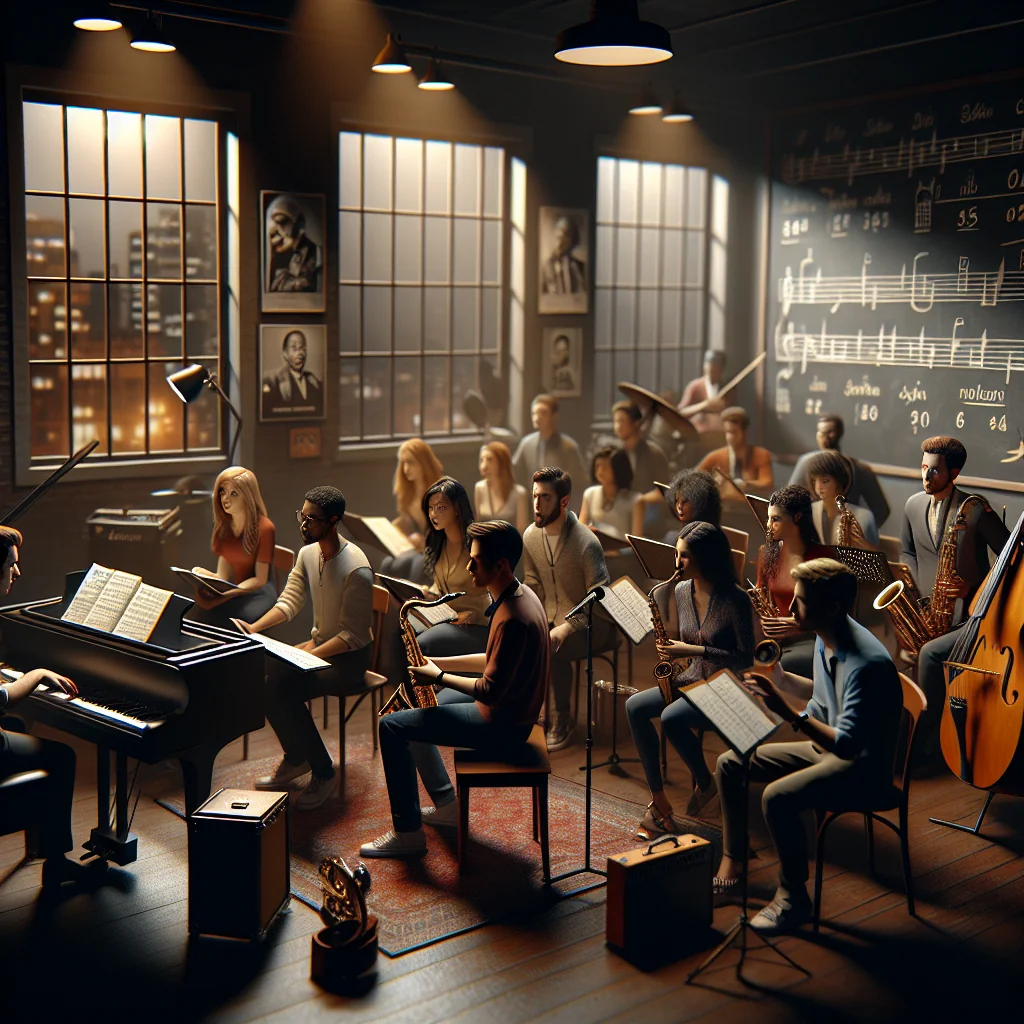
Jazz can use almost any instrument, but some appear very often. Each one has a role in shaping the group sound and the groove.
Horn and Melody Instruments
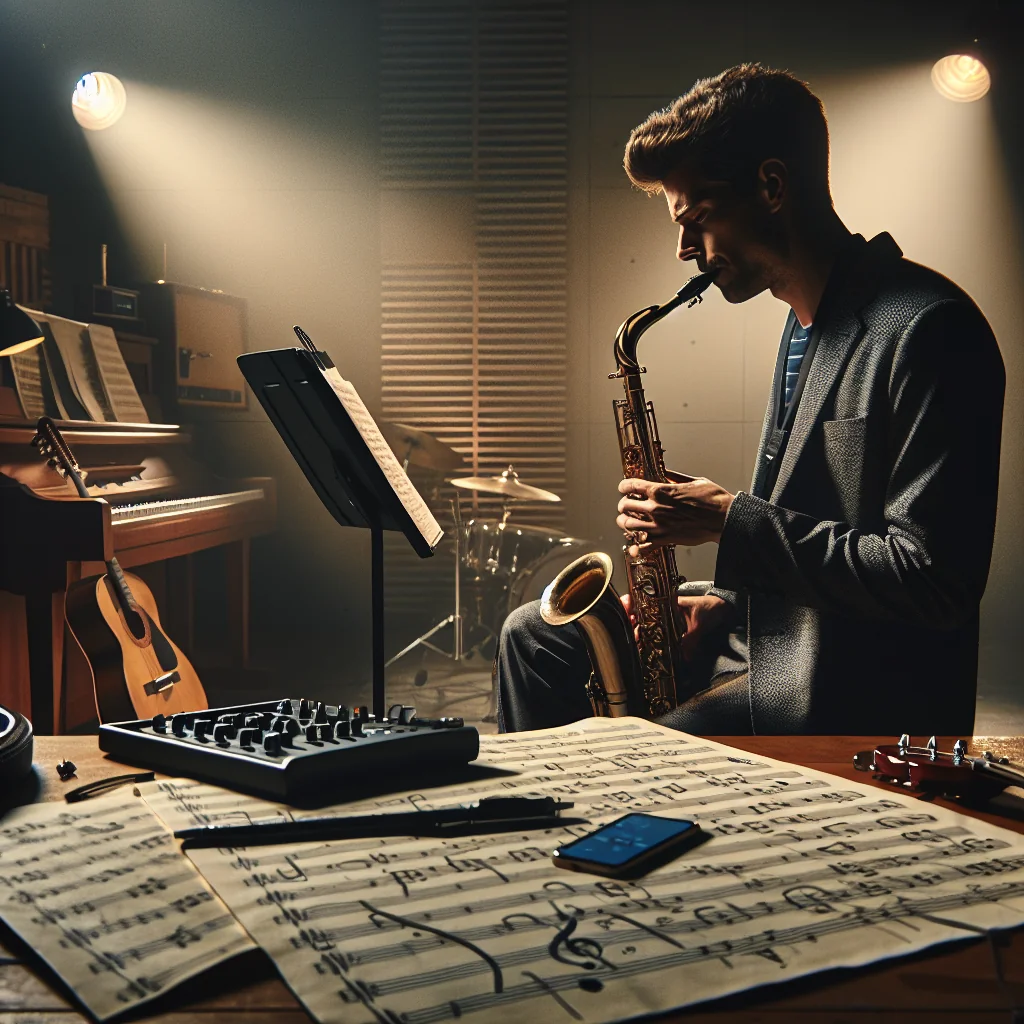
Saxophones, trumpets, and trombones are classic jazz horns. These instruments often play the main melody, then take turns soloing. Clarinet and flute also appear, especially in early jazz and modern, lighter textures.
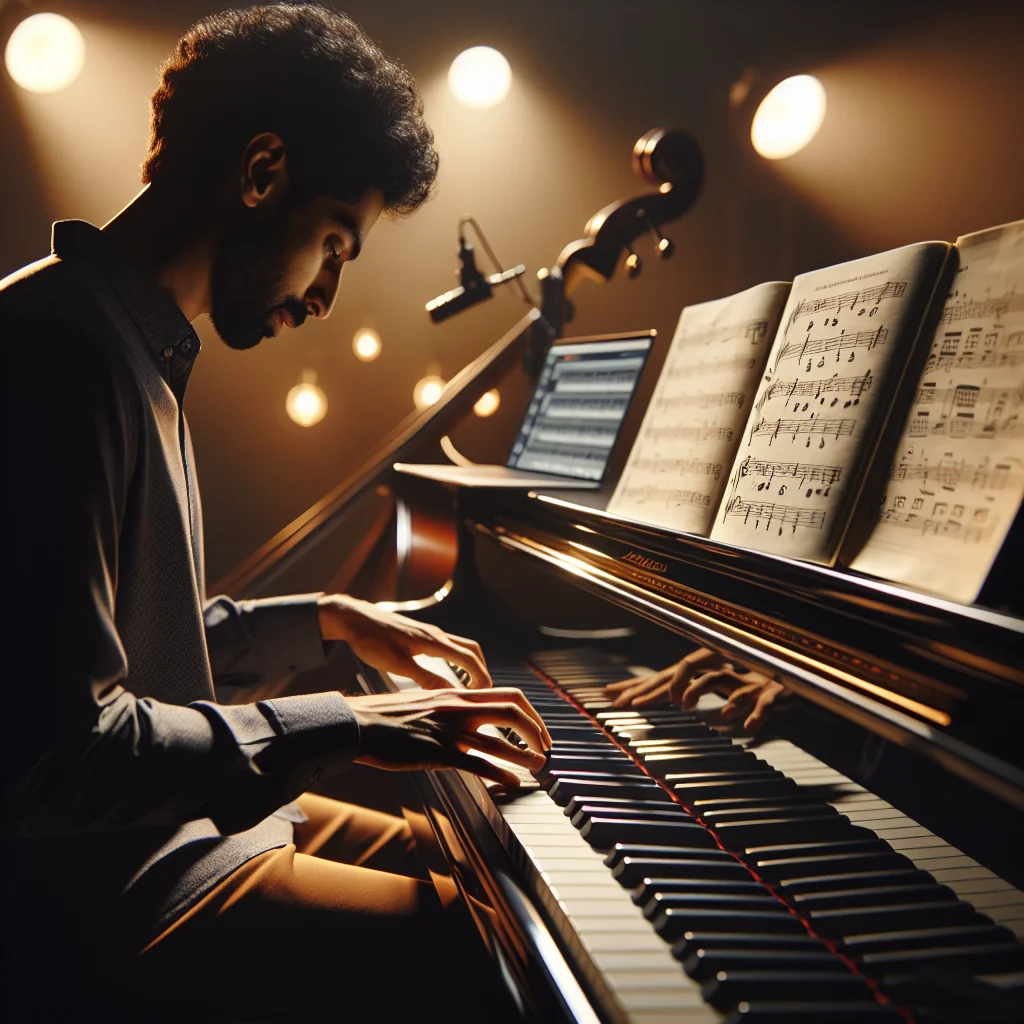
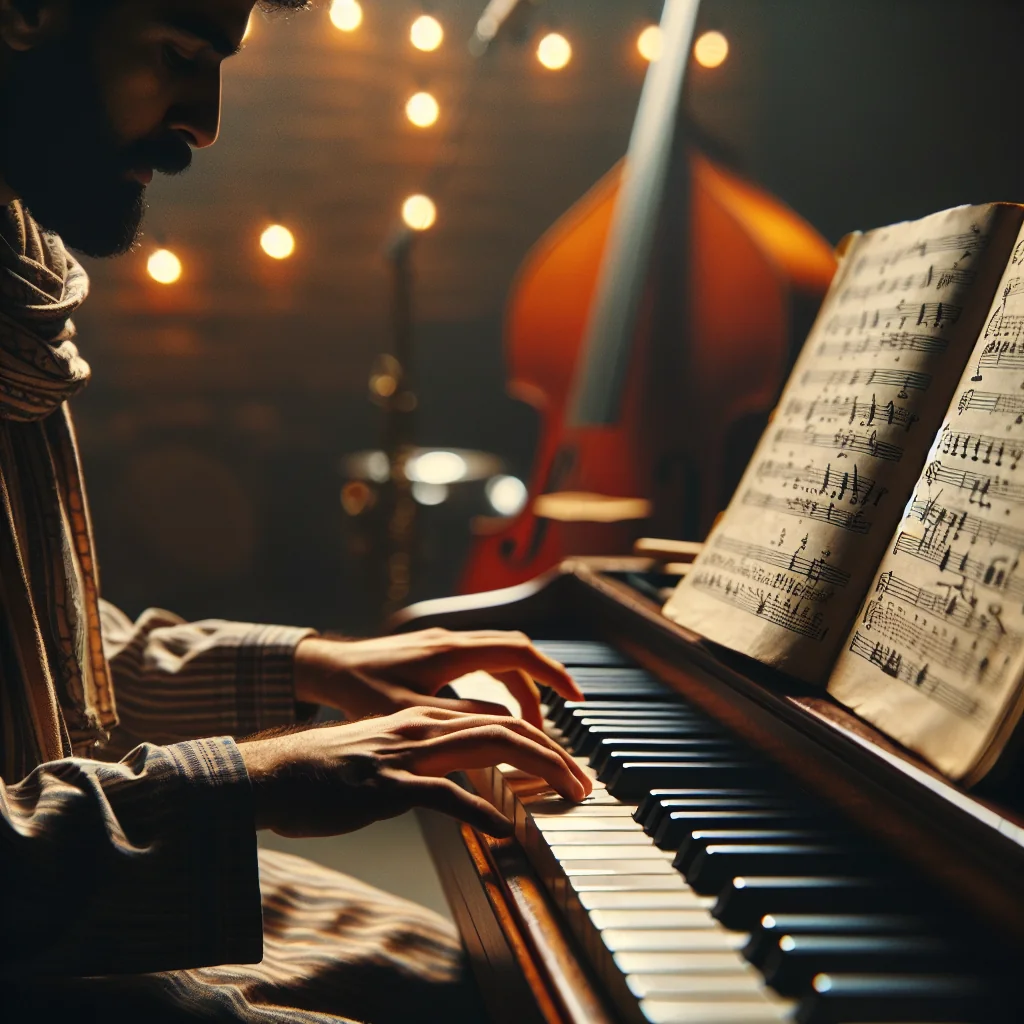
Piano and guitar can act as both melody and harmony instruments. A pianist or guitarist might play chords under a solo, then step forward for a solo of their own.
Rhythm Section
The rhythm section gives jazz music its pulse and harmonic base. Drums keep time, shape dynamics, and add accents. Bass, either upright or electric, anchors the harmony and links drums and chords.
Piano or guitar usually supplies chords, fills, and rhythmic patterns called “comping.” Together, the rhythm section supports the soloists and drives the energy of the performance.
How Jazz Music Works: Form, Harmony, and Solos
To enjoy jazz more deeply, it helps to know how many tunes are built. Most small-group jazz follows a pattern that repeats while players improvise.
Song Form and Chord Progressions
Many jazz standards use common song forms, such as 12-bar blues or 32-bar AABA form. The band plays the melody, called the “head,” over this structure at the start and end.
During the middle section, soloists improvise new melodies over the same chord progression. The chords repeat in cycles, giving a map that guides the solos and keeps the band together.
Improvisation and Interaction
Improvisation in jazz is not random. Musicians draw on scales, arpeggios, and patterns they know, then shape them to fit the chords and the moment. Good solos tell a story, with clear phrases and a sense of build.
Jazz is also about listening. Players react to each other’s ideas in real time. A drummer might echo a phrase from the saxophone, or the pianist might leave space for a bass idea. This conversation makes each performance unique.
Comparing Key Jazz Styles at a Glance
This simple table compares a few major jazz styles so you can see how they differ in sound, tempo, and feel.
| Jazz Style | Typical Era | Group Size | Main Feel |
|---|---|---|---|
| Early Jazz / Dixieland | 1910s–1920s | Small bands | Collective improvisation, bright and lively |
| Swing | 1930s–1940s | Big bands | Strong dance groove, smooth horn sections |
| Bebop | 1940s–1950s | Small combos | Fast tempos, complex lines, intense solos |
| Cool Jazz | 1950s | Small to medium groups | Relaxed mood, softer tone, clear melodies |
| Fusion | 1970s onward | Bands with electric instruments | Rock and funk rhythms, long solos, strong backbeat |
Seeing these styles side by side can help you match what you hear to a rough time period and sound, which makes new recordings easier to place in context.
How Jazz Music Feels: Mood, Emotion, and Culture
Jazz music can feel relaxed, tense, joyful, or reflective. The same tune can sound playful in one version and dark in another. Tempo, dynamics, and tone all shape the emotional impact.
Jazz also carries cultural weight. The music has been linked to social change, civil rights, and questions of identity. Many artists used jazz to express personal and political views, often without words.
Because jazz values personal sound, each player’s tone becomes part of their identity. Listeners often recognize famous musicians after only a few notes.
Step-by-Step: How to Start Listening to Jazz Music
Jazz can seem confusing at first, especially if you expect fixed melodies all the way through. Follow this simple sequence to build your ear and enjoy the music more.
- Pick a short playlist of clear, melodic jazz tracks, such as swing or vocal tunes.
- On the first listen, focus only on the main melody at the start and end of each song.
- On the second listen, pay attention to how the drummer and bassist support that melody.
- Next, choose one solo and follow just that instrument, ignoring everything else.
- Compare two versions of the same standard to hear how different players shape the same song.
- Note the names of the bandleader and main soloist so you can find more of their music.
By taking these steps in order, you train your ear slowly, which makes longer solos, subtle rhythm shifts, and unusual harmonies feel more familiar over time.
Extra Tips to Enjoy Jazz Music Even More
Beyond a step-by-step plan, a few simple habits can deepen your connection with jazz. These ideas help you stay curious and relaxed while you listen.
- Begin with clear, melodic styles like swing, cool jazz, or vocal jazz.
- Listen for the main melody at the start and end of a tune.
- During solos, focus on one instrument at a time, not the whole band.
- Notice how the rhythm section supports and answers the soloist.
- Compare two versions of the same standard to hear different choices.
- Read track titles and player names so you can follow artists you enjoy.
Over time, your ear will catch more details, your favorite players will stand out, and you may find that jazz music feels less like a puzzle and more like a set of stories told in sound.
Why Jazz Music Still Matters Today
Jazz music continues to matter because it celebrates creativity, listening, and shared expression. The music has influenced rock, pop, hip-hop, film scores, and more. Many modern artists borrow jazz harmony, rhythm, or improvisation ideas without always using the name.
Jazz also offers a way to experience live music as a living event, not just a repeat of a recording. Each performance is a new version of the story. For many listeners, that sense of risk and surprise is what keeps jazz music fresh, even after more than a century.